
Introduction: The Dream That Keeps Me Awake
Every time I meet a mother holding a malnourished child, my heart whispers the same thing: Africa can do better.
Not because we lack food, but because we’ve not yet fully harnessed the power of nutrition education, food systems, and community action to protect our youngest lives.
In clinics, homes, and schools across our continent, I’ve seen children filled with potential — yet struggling with preventable nutrition problems like anaemia, stunting, or poor growth.
This is not just a health issue. It’s an issue of justice, opportunity, and hope.
That’s why I have a dream — a clear, actionable vision for what child nutrition in Africa should look like within the next five years.
1. A Future Where Nutrition Starts Before Birth
In five years, I envision an Africa where every pregnant woman has access to accurate nutrition guidance — not just supplements, but real education on what to eat, how to eat, and why it matters.
When maternal nutrition is strong, we prevent stunting before it begins.
When mothers are empowered, children thrive from their very first heartbeat.
I see antenatal clinics integrating nutritionists as core team members, ensuring no mother leaves without dietary support and practical meal guidance based on her local foods.
Imagine every village health worker trained to deliver nutrition messages in local languages — turning nutrition knowledge into a birthright, not a privilege.
2. A Generation of Children Growing, Not Just Surviving
By 2030, I want to see a shift from treating malnutrition to nurturing wellness.
My vision is for schools across Africa to serve balanced meals, sourced from local farmers, designed to boost learning, immunity, and emotional well-being.
We need to move away from “feeding” programs and build nutrition-smart schools — places where children learn the science of food while eating food that fuels them.
If we can make every school a mini health centre through good nutrition, we will raise not only smarter children, but healthier leaders.
3. A Continent That Values the Gut–Brain Connection
For too long, Africa’s nutrition policies have focused only on physical growth.
But the future of nutrition is neuro-nutrition — understanding how what we eat shapes our brains, emotions, and learning.
In my five-year vision, I see nutritionists working hand-in-hand with psychologists and educators to address hyperactivity, poor focus, and emotional struggles — not just with medication, but through food.
From pap fortified with iron and zinc, to meal plans that support children with autism or ADHD, Africa’s food must become our therapy — rooted in culture, guided by science.
4. Empowered Mothers, Informed Communities
No nutrition policy works without the mother at its centre.
In the next five years, I want to see nutrition literacy become as common as reading and writing in African homes.
This means using storytelling, social media, community radio, and visual education to teach mothers how to read food labels, plan balanced meals, and recognise early signs of deficiency.
We must make it easy, relatable, and local — using foods they already have, not foreign products they can’t afford.
My dream is to train a network of “Mother Nutrition Champions” across African communities — everyday women who educate their neighbours and become the frontline of child nutrition awareness.
5. A Policy Landscape That Protects and Nourishes
No vision is complete without policy change.
Within five years, I want to see stronger government-backed nutrition policies that fund early childhood nutrition programs, regulate harmful food marketing, and support home-grown food systems.
Africa’s leaders must see nutrition not as charity, but as national investment.
We need:
- Nutrition in every school curriculum.
- Tax incentives for local farmers growing nutrient-rich crops.
- Food fortification programs that reach the poorest communities.
- Budget allocations for nutrition in every ministry touching health, education, and agriculture.
When we fix food, we fix futures.
6. Data, Innovation & Digital Nutrition
Technology is one of Africa’s greatest opportunities.
My five-year vision includes digital platforms that connect mothers to nutritionists, track children’s growth, and provide personalised diet plans using local foods.
We can harness mobile health (mHealth) tools to monitor malnutrition, share recipes, and even offer remote counselling.
Innovation must meet tradition — blending our roots with our reach.
7. Africa Leading, Not Following
Finally, I dream of an Africa where we stop importing every nutrition idea — and start exporting our own.
Our traditional diets — from millet porridge to plant-based stews — already hold the answers to many modern health challenges.
If we can scientifically refine, document, and promote them, the world will look to Africa for nutrition wisdom.
The next generation of nutrition research should come from Africa, for Africa, led by passionate experts and supported by policymakers who believe in the power of local solutions.
Conclusion: The Future Is on Our Plate
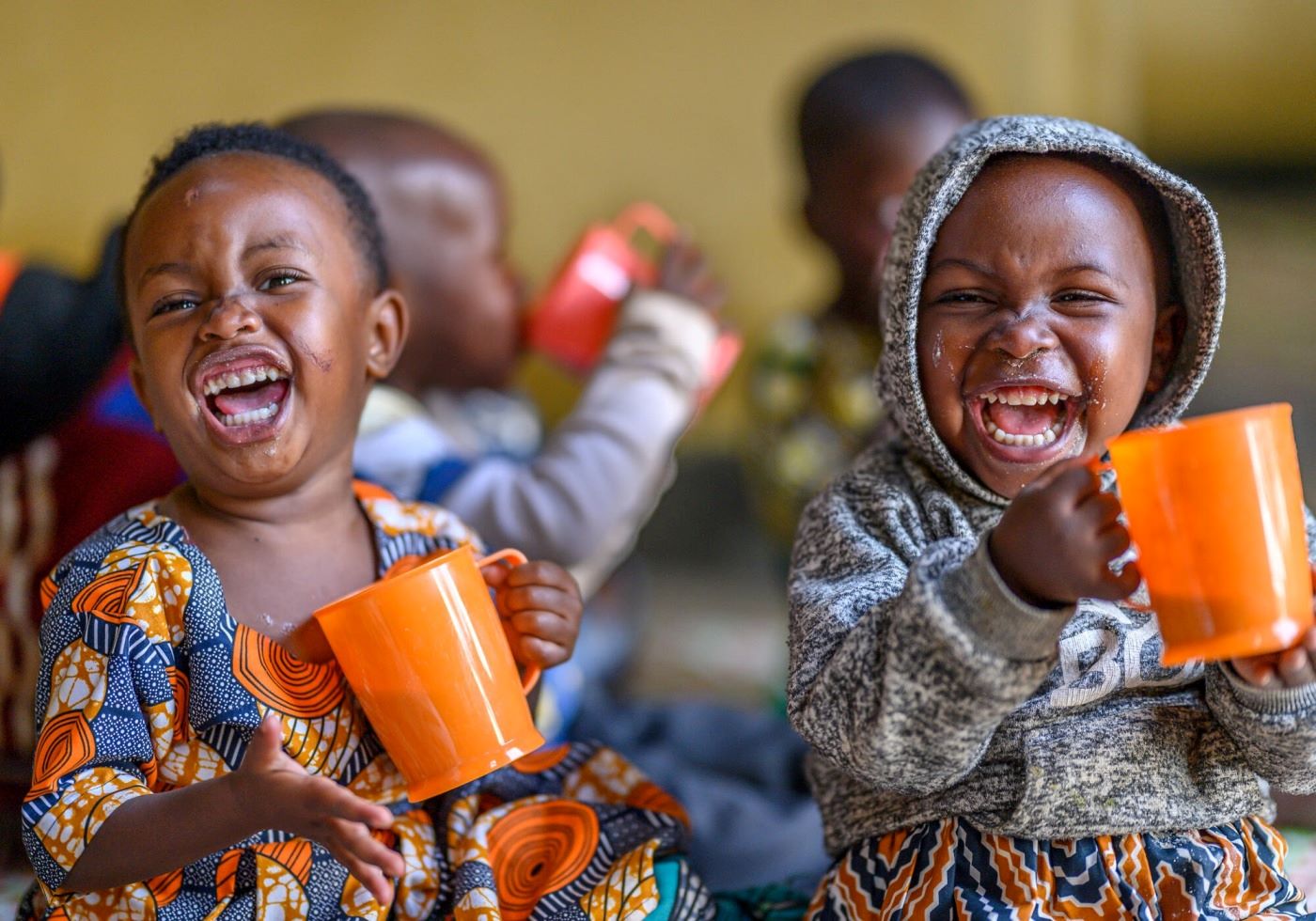
When I imagine the next five years, I don’t just see statistics — I see children smiling with full bellies, mothers confident in their knowledge, and communities that treat food as the foundation of life, not an afterthought.
This vision isn’t just mine; it’s ours.
It belongs to every mother, every professional, every policymaker who believes Africa’s future depends on how we nourish her children today.
Because the truth is simple:
If we feed Africa right, we build the Africa we’ve always dreamed of.