
Glory Uzoigwe Advocates Breastfeeding, Maternal Nutrition
Glory Uzoigwe Advocates Breastfeeding, Maternal Nutrition
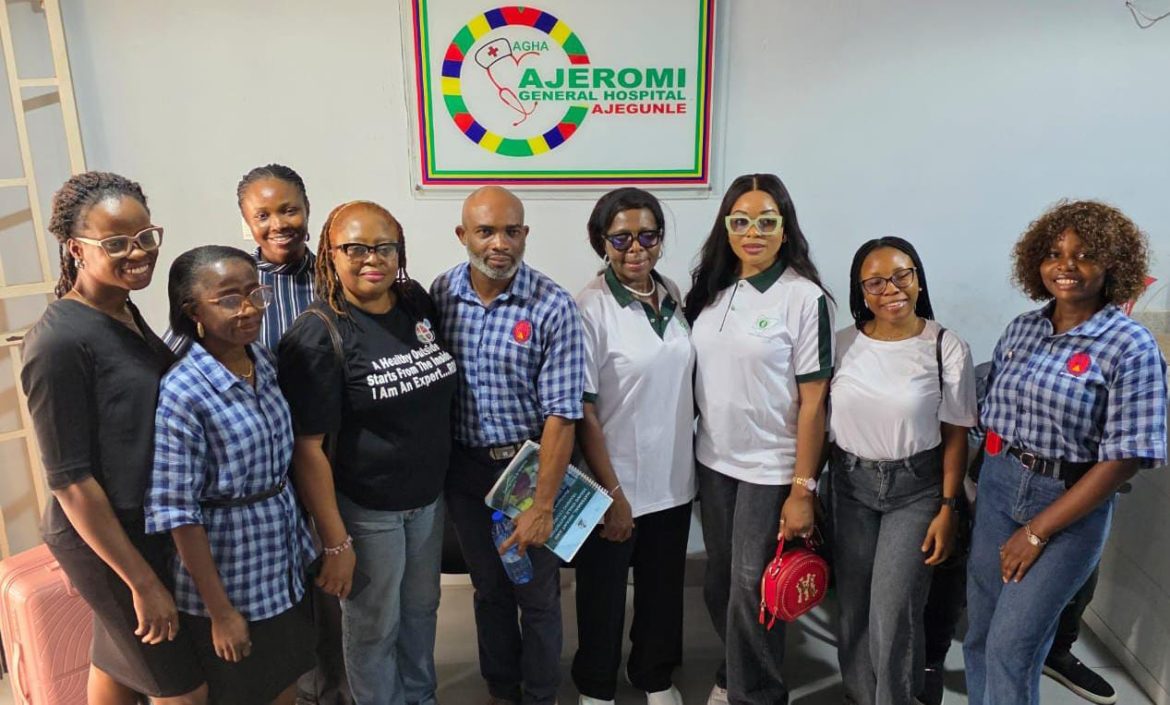
The World Breastfeeding Week was marked at Ajeromi General Hospital in collaboration with the Nutrition Society of Nigeria.
The event, themed “Prioritise Breastfeeding: Create Sustainable Support Systems”, brought together dietitians, nutritionists and breastfeeding mothers for a day of sensitisation.
Glory Chinaecherem Uzoigwe, a Certified Infant and Young Child Feeding expert and breastfeeding consultant, spoke on the importance of breastfeeding, the need for sustainable support systems, and how working-class mothers can be encouraged to continue exclusive breastfeeding.
She also discussed the World Health Organisation code for infant formula, why it is not the best option for babies, and the benefits of exclusive breastfeeding.
Uzoigwe noted that many working-class mothers face the challenge of resuming work after three months of maternity leave. Few companies, she said, provide options for mothers to resume work with their children or access to shifts and lactation rooms.
“These challenges force these mothers to have to drop off their children at day care or with family members and have to get infant formulas to support the babies’ feeding.
“Let’s not forget that breastmilk needs constant contact with the baby to maintain maximum flow, so with shuttling work stress, many mothers come home late, exhausted and far too drained to think about expressing milk for the next day, leading to reduced breastmilk supply,” she explained.
On what sustainable support systems should look like, Uzoigwe said: “For Nigeria, the first step in the right direction would be to normalize breastfeeding in public places, and work too. And avoid stigmatization. (have you seen the way people look at any woman trying to bring out their breast in public to breastfeed) this makes these mothers too shy to even want to try.
“Additionally, maternity leave needs to be paid, and support systems should be in place at work to encourage breastfeeding, from a designated space for breastfeeding and breastmilk expressing.
“Offices that can afford it should create a space for children to be kept, and it can be added in the salary negotiation.”
Chioma Nwachukwu also spoke at the event, teaching mothers the practical way to latch a baby properly using dummy babies and illustrative sessions.
After the sensitisation, the organisers met with the Medical Director of the hospital to discuss challenges faced by breastfeeding mothers in the community.