
Africa urgently needs more nutrition-informed autism programs. Discover how nutrition impacts children on the autism spectrum, why Africa is behind, and how informed diets can help families nurture better outcomes for neurodiverse children.
Across Africa today, conversations about autism are growing louder—and thankfully so. Parents are learning, communities are opening up, and professionals are beginning to see that autism isn’t a curse, but a unique neurological condition that deserves compassion, understanding, and science-backed support.
Yet, there’s one powerful piece of this puzzle that is often missing from the conversation: nutrition.
As a nutritionist working with children across different communities, I’ve seen firsthand how what a child eats can influence their mood, focus, behavior, and overall well-being. When it comes to autism, nutrition isn’t a cure—but it can be a key that helps unlock better outcomes.
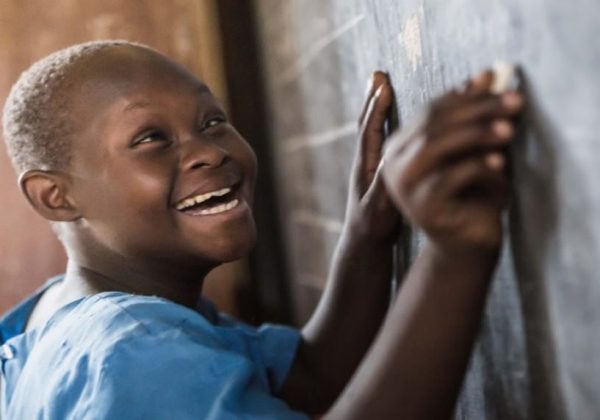 The Hidden Connection Between Nutrition and Autism
Children on the autism spectrum often experience digestive challenges such as food sensitivities, gut inflammation, or selective eating habits. Many parents notice their child reacting to certain foods, but don’t always have access to the right guidance to understand what’s happening.
Emerging research has shown that the gut and brain are deeply connected—a link known as the gut-brain axis. When a child’s digestive health is compromised, it can affect everything from sleep and focus to emotional regulation.
A nutrition-informed autism program doesn’t just teach dietary changes; it teaches parents how to support the child holistically—nourishing both the body and the brain.
Imagine a program where a child’s diet is thoughtfully tailored to meet sensory needs, where parents are guided on safe nutrient-rich alternatives, and where families finally feel empowered rather than overwhelmed. That’s the kind of future Africa needs.
Why Africa Is Falling Behind
Many African families are doing their best with limited resources, often relying on community advice or what’s available locally. Unfortunately, autism programs in most parts of the continent still focus almost entirely on behavioral therapy—important, yes—but incomplete without nutrition.
There’s a shortage of trained professionals who understand both autism and nutrition. Public awareness is still low, and most parents are left to navigate conflicting advice online or from non-specialists.
In rural communities, stigma and misinformation can silence families, forcing them to hide their children instead of seeking support. This gap is not just a medical or educational issue—it’s a human issue.
What a Nutrition-Informed Autism Program Could Change
When nutrition becomes part of autism support, something powerful happens: families gain hope.
- Better focus and mood: Balanced diets can help regulate neurotransmitters that influence behavior and learning.
- Improved digestion: Addressing food sensitivities can reduce discomfort and irritability.
- More inclusive education: Teachers can understand how mealtime affects attention and emotional regulation.
- Empowered parents: Families can make informed food choices that work for their child’s unique needs.
In essence, nutrition helps bring calm where there was chaos, structure where there was confusion, and progress where there was once frustration.
Building the Future—Together
Africa needs to start at the grassroot with localized, culturally sensitive nutrition-informed autism programs.Programs that use African foods, traditional diets, and community-based education to make sustainable change.
This means training more nutritionists to work alongside therapists and pediatricians. It means creating school meal plans that consider neurodiverse children. And most importantly, it means giving parents knowledge—because knowledge is empowerment.
A Personal Reflection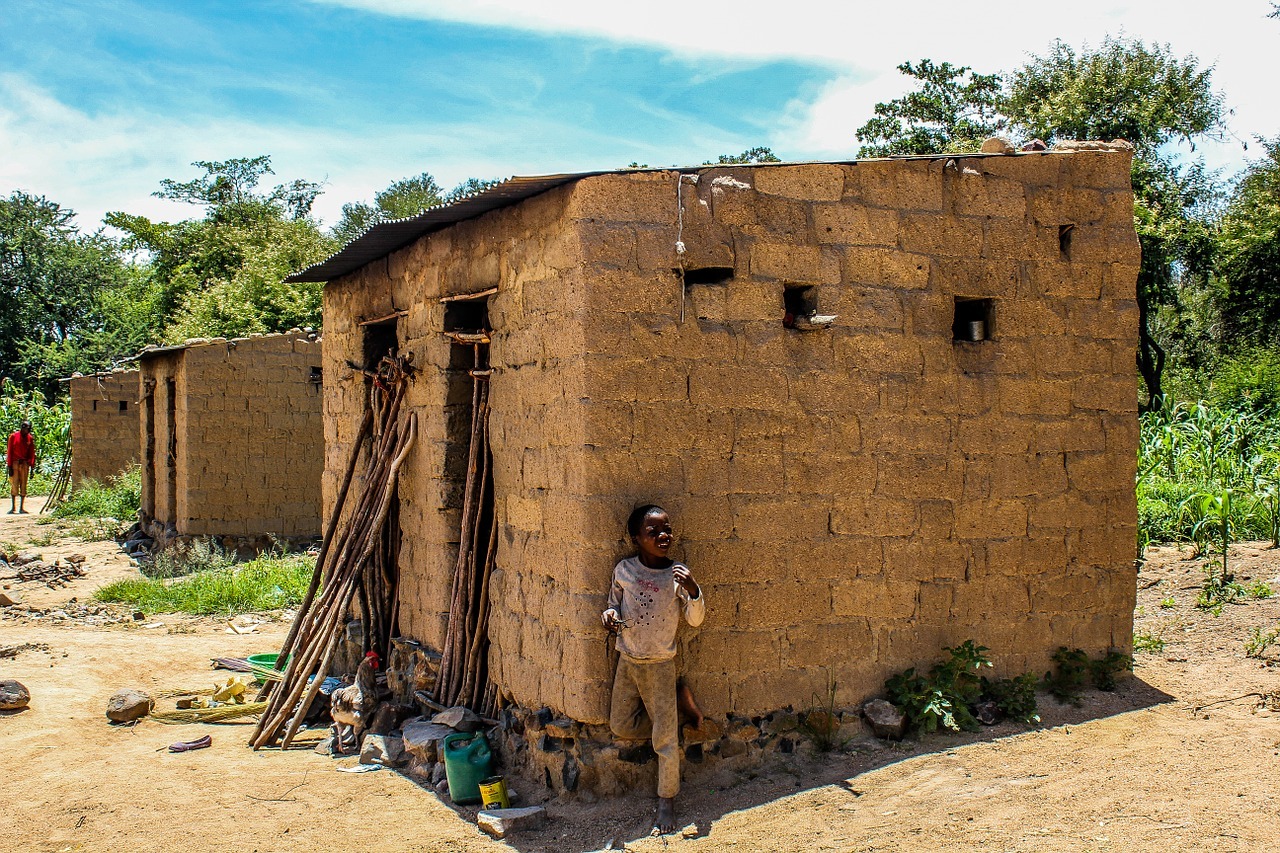
Every time I meet a mother who says, “I wish I had known this earlier,” I’m reminded of why this mission matters. Autism doesn’t just affect the child—it transforms an entire family’s life. And while there may be no single solution, nutrition is one of the most accessible, compassionate, and powerful starting points we have.
Africa’s children deserve every chance to thrive—not just survive. It starts with awareness, continues with action, and blossoms through education and empathy.
Final Thoughts
It’s time for a new narrative: one that sees nutrition not as an afterthought, but as a cornerstone of autism care in Africa.
If we can build a continent where every parent has access to accurate information, every child receives tailored support, and every community replaces stigma with understanding—then we’ll not only be raising healthier children, but also nurturing a more inclusive future.
Let’s keep this conversation alive.
If you’re a parent, professional, or advocate who believes in this vision, join me in building awareness and shaping better nutrition-informed autism programs across Africa.
Together, we can make a difference—one meal, one child, one community at a time.